.png)
.png)
.png)
Your Team Lost. Why Does It Still Hurt Days Later?
Author : | 03 Jul 2026
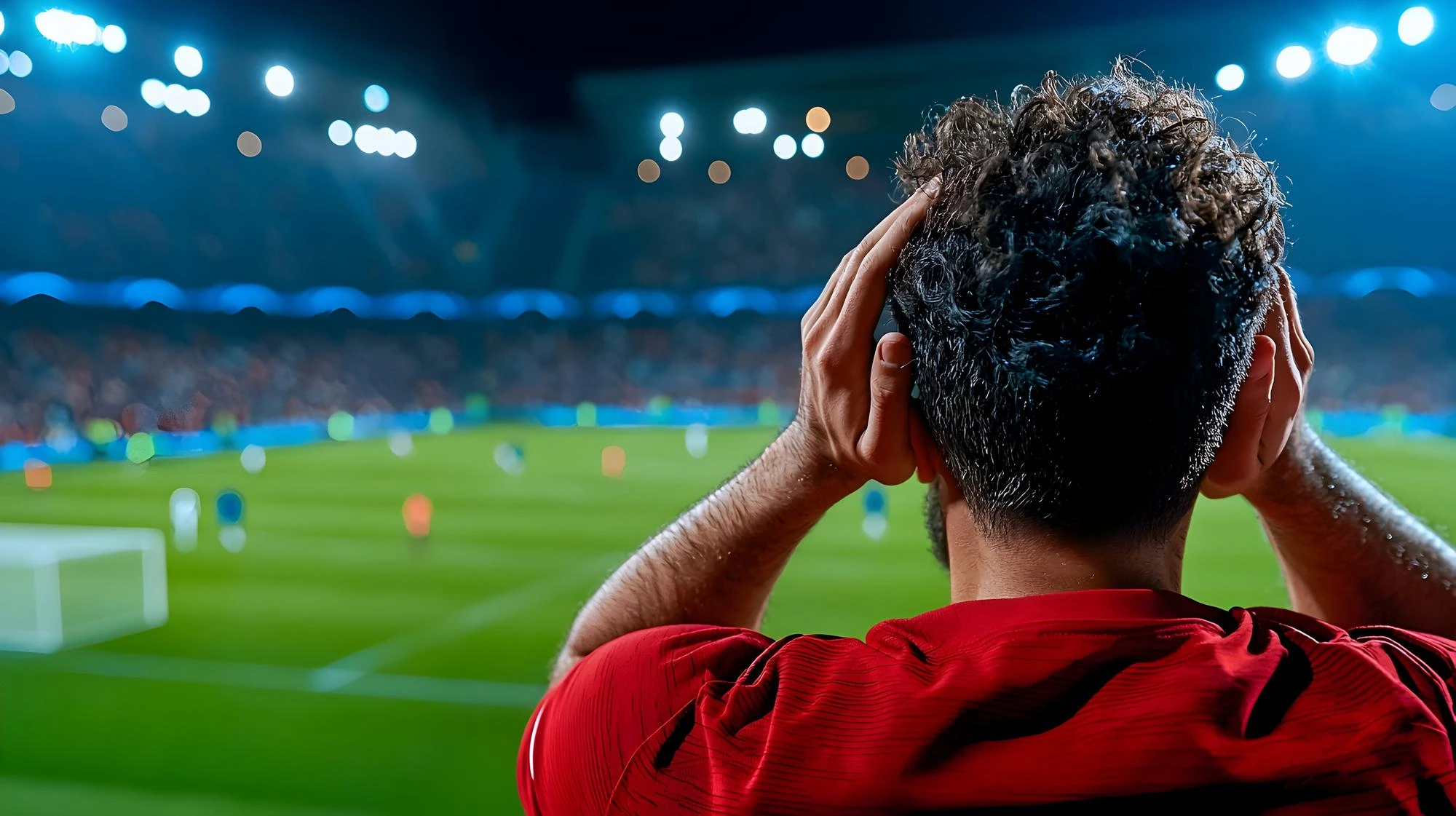
For many fans, the World Cup is more than a tournament. It is an emotional journey filled with hope, anticipation, pride, and passion. But while football has the power to unite people and create unforgettable memories, it can also have a surprising impact on mental health.
From anxiety before important matches to emotional distress after a defeat, the psychological effects of sports fandom are often underestimated. As the FIFA World Cup 2026 captures global attention, it is worth exploring why football affects our emotions so deeply and how fans can maintain a healthy balance.
Why the FIFA World Cup Feels So Personal
Have you ever noticed how fans say, "We won" when their team succeeds?Although supporters never step onto the pitch, they often feel emotionally connected to the team. This connection is a natural part of human psychology.
People seek belonging, identity, and community. Supporting a national team creates a shared sense of purpose and pride that extends beyond the game itself.
For many fans, football represents:
- National identity
- Family traditions
- Childhood memories
- Cultural pride
- Community belonging
Because of these emotional connections, match outcomes can feel far more significant than they appear.
The Emotional Rollercoaster of the World Cup
The World Cup is designed to evoke strong emotions.
Every goal, missed opportunity, penalty shootout, and last-minute winner creates intense excitement.
During the tournament, fans commonly experience:
Anticipation
Waiting for an important match can create excitement but also nervousness and stress.Euphoria
Victories often bring feelings of happiness, confidence, and celebration.Disappointment
A defeat can leave supporters feeling upset, frustrated, or emotionally drained.Anxiety
Close matches and uncertain outcomes can trigger worry and emotional tension.While these reactions are normal, some people experience them more intensely than others.
When Football Starts Affecting Mental Health
Passion for sport is healthy.
However, problems can arise when emotional wellbeing becomes heavily dependent on a team's performance.
Some warning signs include:
Constant Preoccupation With Football
Thinking about matches, predictions, and results throughout the day can make it difficult to focus on work, studies, or personal responsibilities.Sleep Disturbances
Many fans stay awake after matches replaying key moments in their minds or discussing results online.Emotional Outbursts
Unexpected anger, frustration, or sadness after a loss may indicate excessive emotional investment.Mood Changes
Some individuals notice that their mood for several days depends entirely on whether their team wins or loses.Increased Stress Levels
The pressure of important matches can create genuine psychological stress for highly invested supporters.Why Some Fans Take Defeats Harder Than Others
Not everyone reacts to football results in the same way.
People already dealing with stress, anxiety, loneliness, burnout, or emotional challenges may become more emotionally attached to sporting outcomes.
For some individuals, football serves as:
- A source of comfort
- A distraction from personal difficulties
- A sense of belonging
- An emotional escape
When a team loses, it can feel like losing something personally meaningful.
The emotional response is often less about the game itself and more about what the game represents.
The Role of Social Media During the World Cup
Today's football experience extends far beyond the ninety minutes on the field.
Social media platforms provide:
- Instant reactions
- Match analysis
- Fan debates
- Memes and criticism
- Continuous updates
After a disappointing result, constant exposure to football content may make it harder for fans to process emotions and move on.
Instead of recovering, many continue reliving the disappointment through endless discussions and analysis.
Protecting Your Mental Well-Being During FIFA World Cup 2026
The goal is not to care less about football.
The goal is to enjoy the tournament without allowing it to negatively affect mental health.
Here are a few practical strategies:
Maintain Perspective
Remember that football is an important source of entertainment and connection, but it should not determine your self-worth or happiness.Take Breaks From Social Media
If online discussions become overwhelming, step away and focus on other activities.Prioritize Sleep
Late-night matches and constant football content can disrupt sleep routines. Adequate rest is essential for emotional well-being.Stay Connected to Other Areas of Life
Continue spending time with family, friends, hobbies, and responsibilities outside football.Accept What You Cannot Control
Fans can support their teams passionately, but the outcome of a match remains beyond their control. Accepting uncertainty can reduce unnecessary stress and anxiety.The Positive Side of Football
While much attention is given to the emotional challenges of sports fandom, football also offers significant mental health benefits.
It can:
- Create social connections
- Foster a sense of belonging
- Encourage community participation
- Provide moments of joy and excitement
- Strengthen cultural identity
When enjoyed in a balanced way, football can contribute positively to emotional wellbeing.
Final Thoughts
The FIFA World Cup 2026 will bring unforgettable moments, dramatic victories, heartbreaking defeats, and passionate celebrations around the world.
Supporting a team is one of the joys of sport. However, when a match result begins affecting sleep, mood, relationships, or daily functioning, it may be time to reflect on the role football is playing in your emotional life.
Passion is healthy.
Obsession can be harmful.
The best way to enjoy the World Cup is to celebrate the highs, accept the lows, and remember that your mental health matters far more than any final score.
While you can't control the outcome of a match, you can take steps to protect your emotional wellbeing. If anxiety, stress, or persistent emotional distress are affecting your quality of life, connecting with a best psychiatrist in dubai can be an important first step toward feeling better.