.png)
.png)
.png)
How War News Affects Mental Health and Anxiety
Author : | 02 Apr 2026
The ongoing conflict in the Middle East has drawn global attention, with reports of missile strikes, drone attacks, and escalating tensions involving several countries. News about the crisis spreads rapidly through television, social media, and online platforms.
Even people living far away from the conflict zone may feel emotionally affected after repeatedly watching disturbing images or reading updates about violence and instability.
Understanding how war news affects mental health is important because constant exposure to traumatic events can increase anxiety, stress, and emotional exhaustion in many individuals.

The Psychological Impact of War News
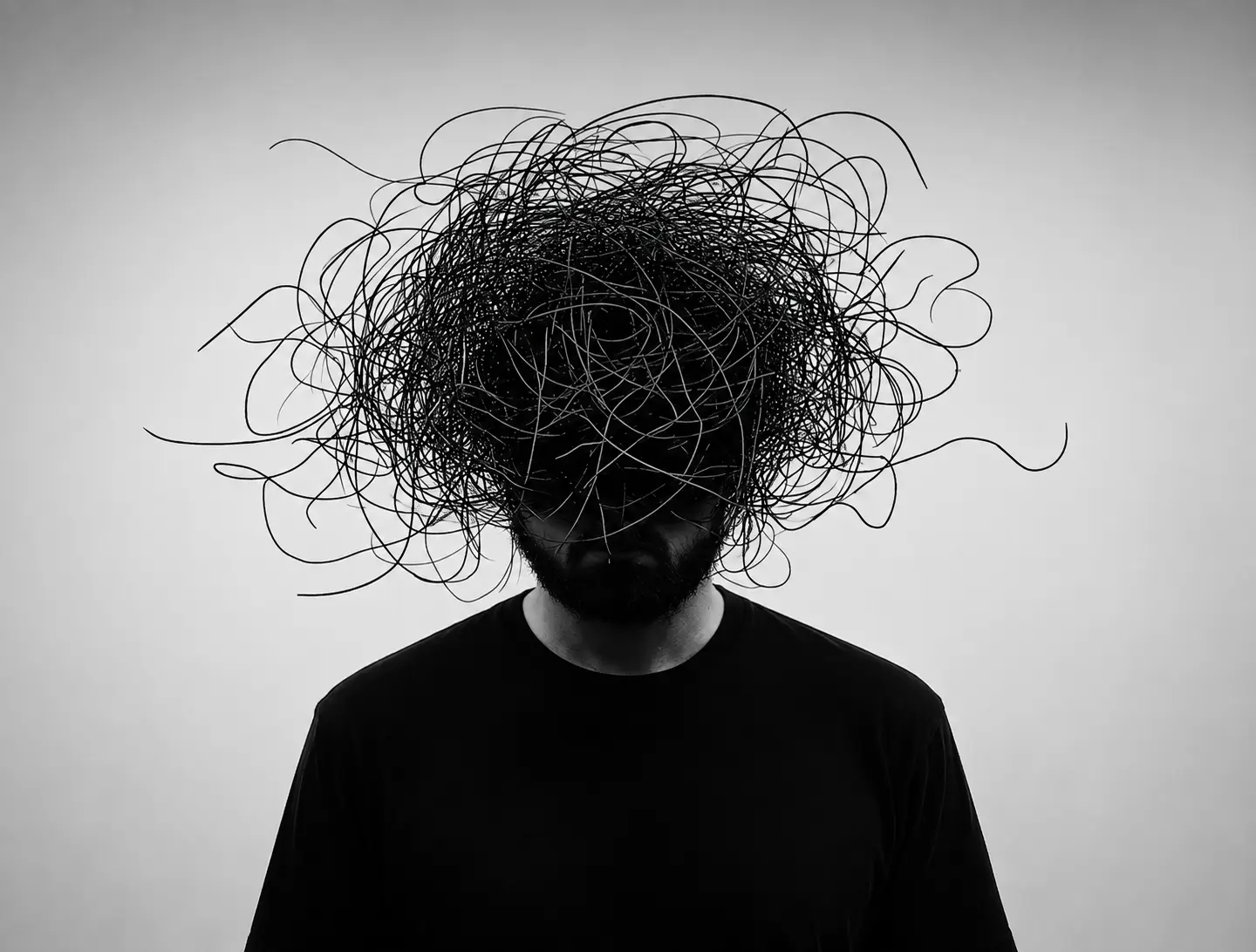
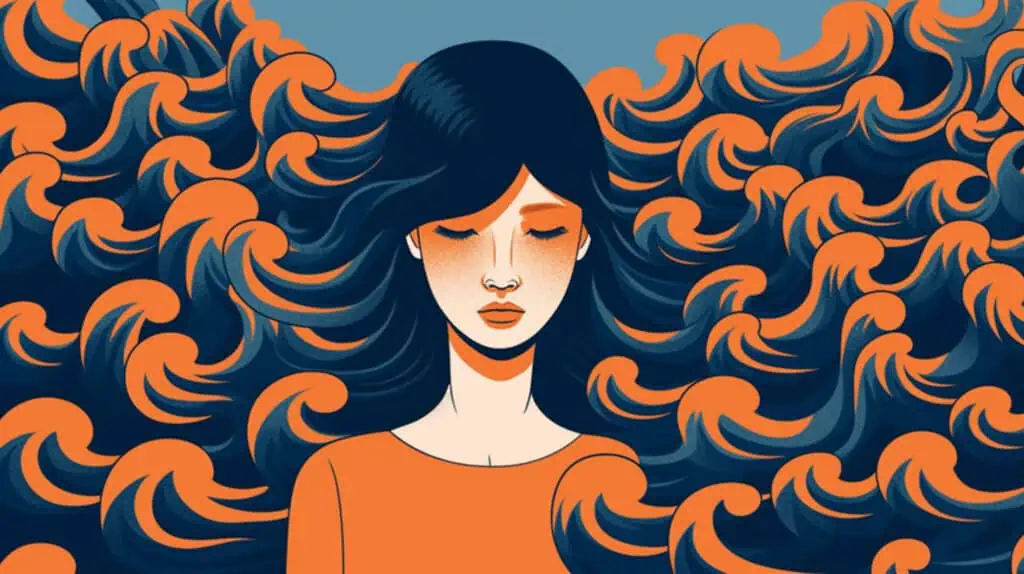
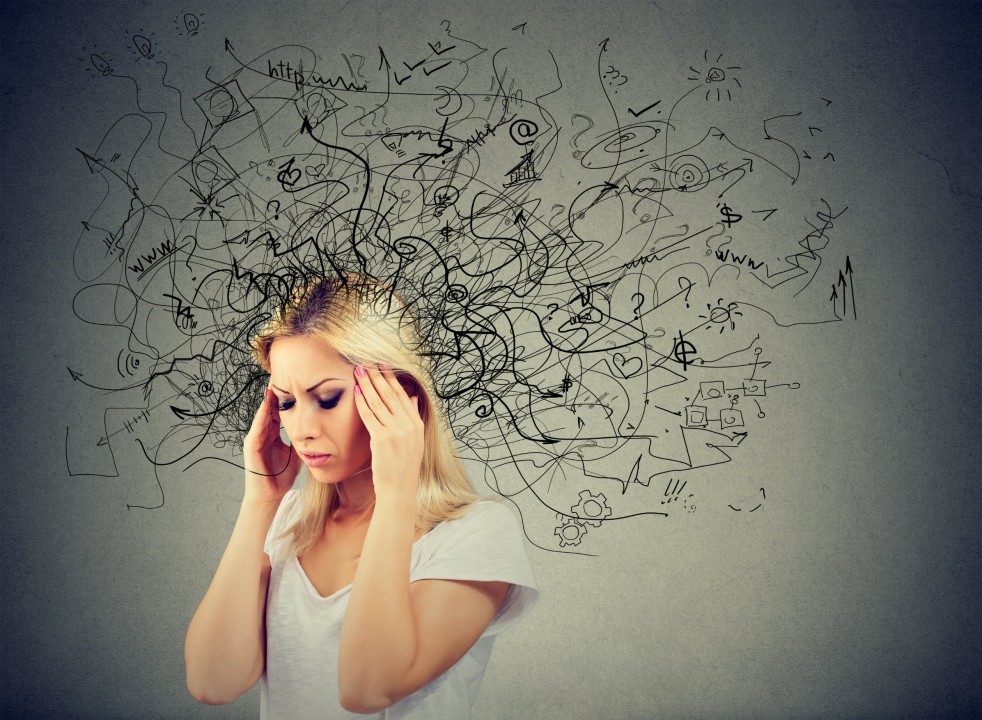
The human brain naturally reacts to perceived threats. When people repeatedly see news about war, destruction, and uncertainty, the brain may activate a stress response even if they are not directly involved.- Some common emotional reactions include:
- Persistent worry about global safety
- Feelings of helplessness or fear
- Difficulty concentrating on daily tasks
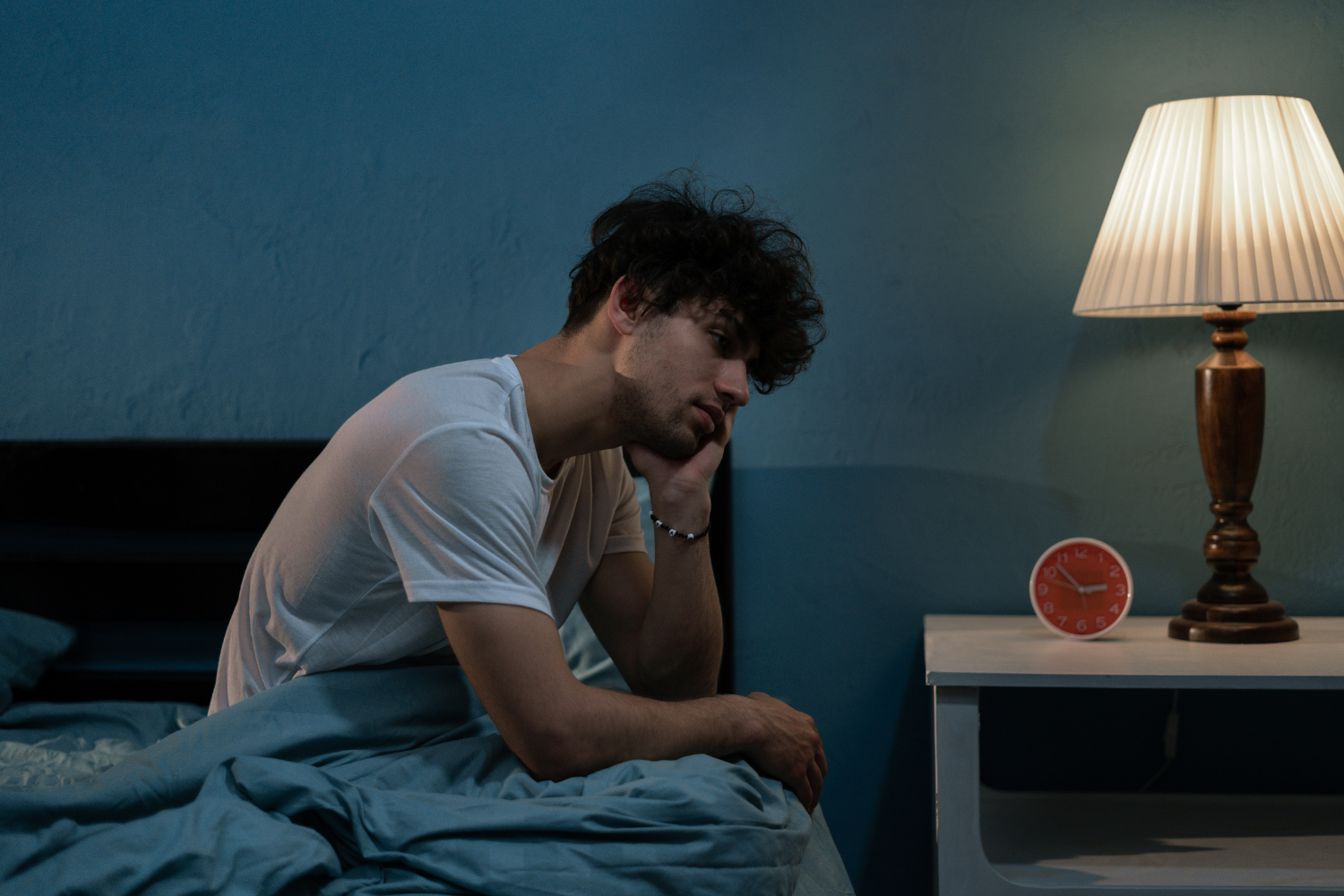
- Sleep disturbances and fatigue
- Increased emotional sensitivity
Over time, continuous exposure to disturbing global events can contribute to conditions such as anxiety disorders, depression, or obsessive thoughts.
Why Global Conflict News Increases Anxiety
Modern technology allows people to access news instantly. While this keeps us informed, constant exposure to distressing updates can also increase stress levels.
Many individuals repeatedly check news updates throughout the day, which can create a cycle of worry and emotional overload.
People who already experience anxiety or obsessive thinking patterns may find that war news intensifies their symptoms.
Signs That War News Is Affecting Your Mental Health
It is important to recognize when exposure to global conflict news begins to affect your emotional well-being.Some warning signs include:
- Constant worry about war or global instability
- Feeling emotionally overwhelmed after watching news reports
- Difficulty sleeping because of stress or fear
- Repeated thoughts about conflict situations
- Feeling hopeless or emotionally exhausted
If these symptoms continue or begin to interfere with daily life, seeking help from a psychiatrist doctor for stress and anxiety can provide professional guidance and support.
How to Protect Your Mental Health During Global Conflicts
Limit Exposure to News
While staying informed is important, constant exposure to distressing information can increase anxiety. Try setting specific times during the day to check reliable news sources.
Practice Stress-Management Techniques
Mindfulness, meditation, breathing exercises, and physical activity can help reduce stress and improve emotional stability.
Focus on Positive Daily Activities
Engaging in hobbies, spending time with family, and maintaining regular routines can help reduce anxiety caused by external events.
Talk About Your Feelings
Sharing your thoughts and concerns with trusted friends, family members, or mental health professionals can help relieve emotional pressure.
Helping Children Cope With War News
Children and teenagers may feel confused or frightened when they hear about wars or conflicts. Exposure to disturbing images or discussions can increase their fear and insecurity.Parents can help by:
- Limiting children’s exposure to distressing news coverage
- Explaining global events in simple, age-appropriate language
- Reassuring children about their safety
- Encouraging them to express their emotions openly
Providing emotional reassurance helps children develop resilience during uncertain times.
When to Seek Help
If anxiety, fear, or emotional distress caused by war news begins to interfere with daily activities, professional mental health support may be beneficial.
Consulting a psychiatrist doctor for war anxiety can help individuals understand their emotional responses and learn effective coping strategies. Mental health professionals can also provide treatment for conditions such as anxiety disorders, depression, and obsessive thoughts.
Conclusion
Global conflicts can affect people far beyond the regions where they occur. Continuous exposure to war-related news may increase anxiety, stress, and emotional fatigue.
By managing news consumption, practicing healthy coping strategies, and seeking professional support when needed, individuals can protect their mental well-being during uncertain global events.
Taking care of mental health is essential, especially during times when the world feels unpredictable and overwhelming.
Take Control of Your Mental Well-being
Is global news or constant worry affecting your peace of mind? Dr Tulika provides expert care and evidence-based strategies to help you manage anxiety and stress in a supportive environment.
View Our Mental Health Services | Book a Consultation Today