.png)
.png)
.png)
Why You Can’t Sleep and What Your Mind Is Trying to Tell You
Author : Dr.Tulika | 16 Jan 2026
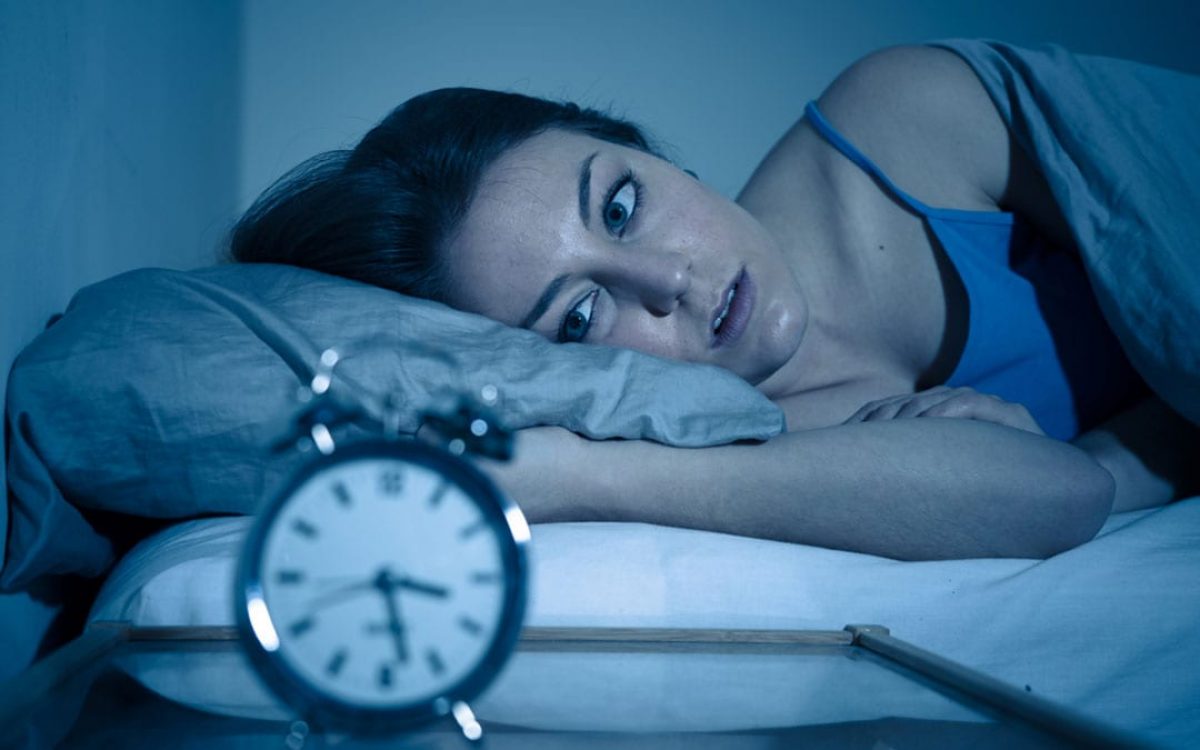
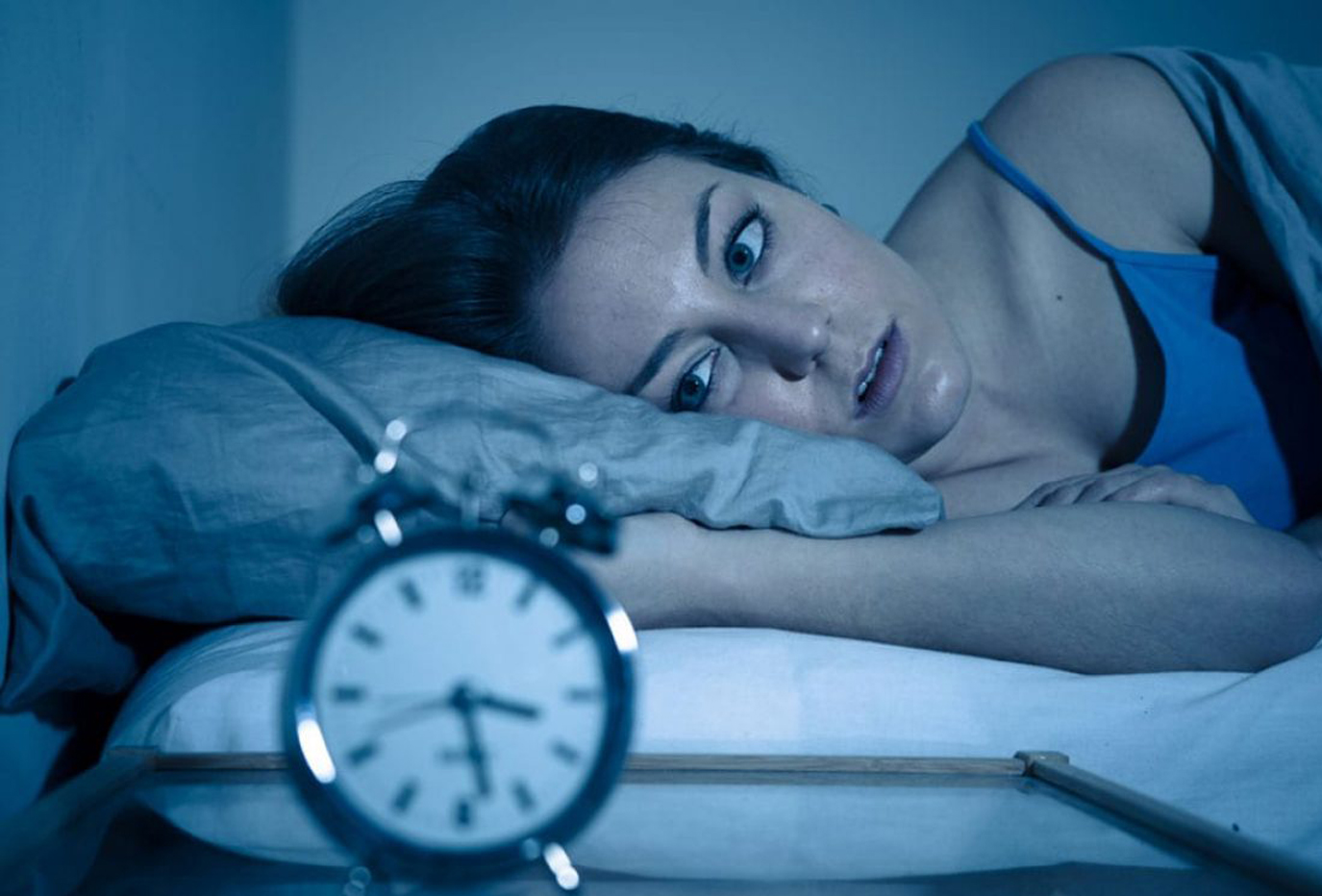
Sleep problems often feel physical, but they usually begin in the mind. When falling asleep becomes difficult or nights feel restless, it may be a sign that emotional or psychological stress is building beneath the surface. Many people struggle with sleep after emotional changes such as stress at work, unresolved worries, or even needing relationship breakup help, without realizing how strongly these experiences affect mental balance and rest.
How Mental Health Directly Affects Sleep
Your brain controls sleep through emotional regulation and hormonal balance. When the mind is under strain, sleep becomes lighter and fragmented.Common mental health factors that disrupt sleep include:
- Constant overthinking or racing thoughts
- Emotional stress that keeps the mind alert
- Difficulty relaxing even when physically tired
- Increased sensitivity to noise or light
Mental Health Conditions Commonly Linked to Sleep Problems
Certain psychiatric conditions are closely associated with ongoing sleep disturbances:Anxiety disorders
- Difficulty falling asleep
- Repeated night-time awakenings
- Feeling tense or alert at night
Depression
- Early morning waking
- Sleeping too much but still feeling tired
- Loss of interest and low energy
Mood disorders
- Irregular sleep-wake cycles
- Sudden changes in sleep patterns
Emotional Signs That Sleep Problems Are Psychological
Sleep disturbances rarely appear alone. They are often accompanied by emotional and behavioural changes such as:- Feeling irritable or emotionally drained
- Trouble concentrating or making decisions
- Withdrawing from social situations
- Loss of motivation or enjoyment
Why Ignoring Sleep Issues Can Worsen Mental Health
Untreated sleep problems can create a harmful cycle:- Poor sleep increases emotional sensitivity
- Emotional distress further disrupts sleep
- Daily functioning and productivity decline
- Mental exhaustion builds over time
When to Consider Professional Psychiatric Support
You may benefit from professional care if:- Sleep problems last for several weeks
- Emotional distress affects daily life
- Lifestyle changes fail to improve sleep
- Mood, focus, or motivation continues to decline
Conclusion: How a Psychiatrist Doctor Can Help
Sleep disturbances are often a signal that the mind needs support. A psychiatrist doctor evaluates emotional patterns, mental health conditions, and stressors affecting sleep.
Through personalized, evidence-based care, psychiatric treatment helps restore sleep, improve emotional regulation, and support long-term mental balance.