.png)
.png)
Chronic Stress: Understanding Its Symptoms, Causes and Effects
Author : | 20 Nov 2026

What Is Chronic Stress?
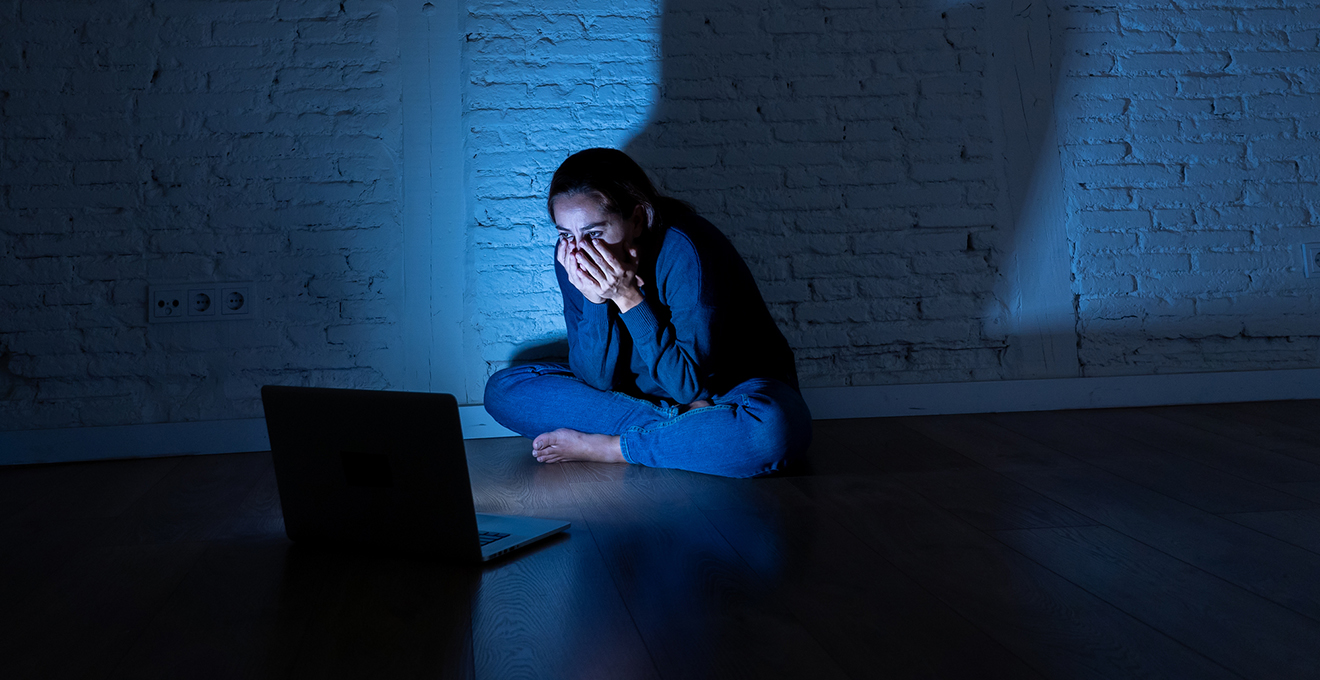
Chronic stress refers to a prolonged state of mental or emotional pressure that continues over an extended period. Unlike short-term stress, which usually occurs in response to a specific situation, chronic stress can remain even when there is no immediate challenge.For example, ongoing workplace pressure, relationship difficulties, financial uncertainty or caregiving responsibilities can contribute to persistent stress.
When the mind and body remain under pressure without sufficient recovery, everyday activities may start to feel overwhelming.
Common Symptoms of Chronic Stress
Chronic stress can affect people differently. Some individuals notice physical discomfort, while others experience emotional or behavioural changes.Common symptoms include:
1. Emotional Symptoms
- Feeling constantly overwhelmed or worried
- Increased irritability or frustration
- Difficulty relaxing
- Feeling emotionally exhausted
- Frequent mood changes
- Loss of motivation or interest in activities
2. Physical Symptoms
- Frequent headaches
- Muscle tension and body aches
- Sleep disturbances
- Changes in appetite
- Digestive discomfort
- Feeling tired even after resting
3. Cognitive Symptoms
- Difficulty concentrating
- Forgetfulness
- Racing thoughts
- Difficulty making decisions
- Reduced productivity
- Persistent negative thinking
4. Behavioural Changes
- Avoiding social interactions
- Withdrawing from family and friends
- Changes in eating or sleeping habits
- Difficulty completing everyday responsibilities
- Increased reliance on unhealthy coping habits
Recognising these changes early can help individuals understand when stress may be affecting their overall well-being.
What Causes Chronic Stress?
There is no single cause of chronic stress. It can develop from a combination of ongoing personal, professional and environmental pressures.Some common contributing factors include:
Workplace Pressure: Heavy workloads, demanding deadlines, job insecurity and difficulty maintaining work-life balance can contribute to ongoing stress.
Financial Concerns: Debt, financial uncertainty and concerns about future expenses can create persistent emotional pressure.
Relationship Difficulties: Conflicts, communication problems and ongoing family responsibilities may affect emotional well-being.
Major Life Changes: Relocation, bereavement, career transitions and other significant changes can create prolonged periods of adjustment.
Caregiving Responsibilities: Looking after children, elderly family members or individuals with health challenges can sometimes leave caregivers with limited time for themselves.
Understanding the underlying causes is an important step towards managing stress effectively.
How Does Chronic Stress Affect Mental Health?
When stress continues for an extended period, it can affect emotional balance, concentration and the ability to manage everyday challenges.
Some individuals may experience increased anxiety, persistent irritability, low mood or difficulty maintaining relationships.
Long-term stress can also contribute to sleep difficulties and emotional exhaustion. In some cases, it may overlap with or worsen existing mental health concerns.
It is important to remember that experiencing stress does not automatically mean someone has a mental health disorder. A professional assessment can help identify what may be contributing to the symptoms.
Stress vs Burnout: Understanding the Difference
Stress and burnout are related, but they are not exactly the same. Stress is generally associated with feeling under pressure because of demands, responsibilities or challenging situations.
A person experiencing stress may feel overwhelmed while still trying to manage multiple responsibilities.
Burnout is more specifically recognised by the World Health Organization as an occupational phenomenon resulting from chronic workplace stress that has not been successfully managed.
It is characterised by three main features:
- Physical and emotional exhaustion.
- Increased mental distance or negativity towards one's work.
- Reduced professional effectiveness.
Burnout may develop gradually and can affect a person's motivation, work performance and overall well-being.
If persistent workplace pressure is affecting your daily life, it is important to recognise the signs and consider seeking appropriate support.
Practical Ways to Manage Chronic Stress
Managing stress involves understanding its triggers and developing healthier ways to respond to everyday challenges. Here are some practical approaches that may help:
1. Maintain a Consistent Routine
Having a regular daily schedule can create a sense of structure. Try to maintain consistent sleeping, eating and working hours.
2. Include Physical Activity
Activities such as walking, swimming, stretching or yoga can support physical and emotional well-being. Choose activities that suit your lifestyle and abilities.
3. Practise Relaxation Techniques
Deep breathing, mindfulness and relaxation exercises may help reduce feelings of tension and improve emotional awareness.
4. Set Healthy Boundaries
Avoid taking on more responsibilities than you can reasonably manage. Setting boundaries between professional and personal commitments can help create time for rest.
5. Stay Connected
Talking to trusted friends, family members or someone you feel comfortable with can help you feel supported during difficult periods.
6. Prioritise Sleep
Maintaining healthy sleep habits is important for emotional regulation, concentration and overall well-being.
7. Seek Professional Guidance
If stress continues despite your efforts to manage it, speaking with a qualified mental health professional can help you understand its causes and explore appropriate treatment options.
When Should You Seek Professional Help for Stress?
Occasional stress is common, but persistent stress should not be ignored. Consider seeking professional support if:
- You constantly feel overwhelmed or emotionally exhausted.
- Stress is affecting your sleep or concentration.
- You find it difficult to manage everyday responsibilities.
- Your relationships are being affected by ongoing emotional pressure.
- You experience persistent anxiety, low mood or irritability.
- Self-management strategies are no longer helping.
A mental health professional can assess your symptoms, identify possible underlying concerns and recommend an appropriate approach to treatment.
Frequently Asked Questions
1. What are the common symptoms of chronic stress?
Common symptoms include persistent worry, irritability, headaches, muscle tension, sleep disturbances, difficulty concentrating and emotional exhaustion.2. Can chronic stress affect physical health?
Yes. Prolonged stress can affect several body systems and contribute to problems involving sleep, digestion, muscle tension and cardiovascular health.3. What is the difference between stress and burnout?
Stress generally involves feeling under pressure due to ongoing demands. Burnout, as defined by the WHO, specifically relates to unmanaged chronic workplace stress and involves exhaustion, mental distance from work and reduced professional effectiveness.4. How can I manage stress naturally?
Maintaining a healthy routine, getting adequate sleep, engaging in physical activity, practising relaxation techniques and staying socially connected may help manage everyday stress.5. Can a psychiatrist help with chronic stress?
Yes. A psychiatrist can assess persistent stress-related symptoms, identify possible underlying mental health concerns and recommend suitable treatment or therapeutic support when needed.6. When should I consult a mental health professional?
Consider seeking professional guidance when stress becomes persistent, affects your daily functioning or begins to interfere with your relationships, sleep or emotional well-being.Take a Step Towards Better Mental Well-Being
Stress is a part of life, but living with constant emotional pressure does not have to become your normal routine. Recognising the signs, understanding your triggers and seeking support when needed can make a meaningful difference.
At Dr Tulika Mind Care, individuals can explore professional mental health support to better understand and manage stress-related concerns. Reaching out for help is a positive step towards taking care of your mental well-being.
If ongoing stress or emotional exhaustion is affecting your daily life, consider booking a consultation with Dr. Tulika Shukla.
Read more
What Are the Early Signs of Depression You Shouldn’t Ignore?
Why Am I Always Overthinking Everything? 7 Reasons You Can't Switch Off Your Mind