.png)
.png)
.png)
Expected (Triggered) Panic Attacks
These happen in response to specific situations or fears, such as public speaking, flying, or crowded spaces.

A panic attack is a sudden, intense surge of fear that triggers strong physical and emotional reactions—often without any clear danger or warning. During an episode, your heart may race, breathing becomes difficult, and an overwhelming feeling of dread can take over. While brief, these episodes can leave you feeling exhausted and fearful of when the next one might happen.
Panic attacks can happen once or recur as part of panic disorder. They often overlap with stress, anxiety, or depression. Recognizing the symptoms early and seeking structured care is the first step toward regaining safety, confidence, and peace of mind.
Panic attacks rarely stem from just one cause. Prolonged stress, physical health factors, and underlying anxiety all play a role. A professional evaluation helps identify your unique triggers so we can create a personalized care plan for lasting relief.
Enquire Now
Feeling safe and calm is essential for your everyday well-being. When panic attacks disrupt your routine, they create a cycle of constant worry—making you feel on edge even when everything seems fine.
Understanding panic attacks means recognizing that they affect more than just those few minutes of fear. The fear of having another attack can hold you back from daily activities, work, and social life. Addressing both the physical symptoms and the worry behind them is key to restoring your confidence.
Not all panic attacks feel or happen the same way. Identifying the pattern behind your symptoms helps us tailor an effective treatment plan for you:
These happen in response to specific situations or fears, such as public speaking, flying, or crowded spaces.
These occur completely out of the blue without any obvious trigger, even when you are feeling relaxed.
These happen during sleep, waking you up suddenly with a racing heart, sweating, or severe fear without an obvious nightmare.
These are more likely to happen in certain settings (like driving or traveling), though they don't happen every single time.


Panic attacks can show up in many ways. You may recognise one or several of the following:
These everyday techniques can help you feel more in control when panic strikes:
Look around and name 5 things you see, 4 you can touch, 3 you hear, 2 you smell, and 1 you taste to bring your focus back to the present.
Breathe in slowly through your nose for 4 seconds, hold for 4, and exhale through your mouth for 6 seconds.
Gently reassure yourself that while panic feels uncomfortable, it is temporary and not life-threatening.
Reduce caffeine, alcohol, and nicotine, as they can mimic or trigger physical panic symptoms.
Regular walking or light exercise helps release built-up physical stress.
“I know this feels terrifying, but you are safe and I am here with you.”
Your calm presence matters more than the perfect words. Here is what helps most.
Speak in a soft, steady, and reassuring voice.
Say comforting words like "I know this feels terrifying, but you are safe and I am here with you."
Encourage them to match your slow, steady breath instead of telling them to "just relax."
Move to a quieter area if possible and avoid crowding them.
Refrain from saying "it's all in your head"—acknowledge their distress calmly.
Gently support them in seeking medical care if panic episodes recur.

Dr. Tulika is an experienced mental health professional specializing in the diagnosis and treatment of sleep disorders, including insomnia. She follows a patient-centered approach that focuses on identifying the root causes of sleep disturbances and creating personalized, evidence-based treatment plans.
Her approach integrates therapy, lifestyle modifications, and medical support when required, helping individuals achieve sustainable improvements in sleep and overall mental well-being.

Learn how cyberbullying can affect mental health, confidence, sleep and emotional wellbeing, and how parents can support children and teens.
Read More
Self-love is more than positive thinking. Learn how building a healthier relationship with yourself can support your mental and emotional well-being.
Read More
Dr Tulika
Supporting someone with OCD can be challenging, but your understanding can make a real difference. Learn how to offer care, set healthy boundaries, and encourage recovery without enabling the cycle.
Read More
Learn why overthinking happens, how it affects your mental well-being, and practical strategies to manage racing thoughts and excessive worry.
Read More
A World Cup defeat can feel surprisingly personal. Learn why football fans become emotionally attached to teams and how sports can influence mental wellbeing.
Read More
Overthinking can affect sleep, confidence, relationships, and mental peace. Discover why it happens and how to manage anxious thoughts effectively.
Read More
Dr.Tulika
Explore the emotional effects of war, trauma, anxiety, and PTSD. Learn coping strategies, warning signs, and when to seek professional mental health support.
Read More
Dr Tulika Shukla
Learn about Intermittent Explosive Disorder (IED) in adults and children, including its symptoms, causes, diagnosis, and treatment options. Understand how therapy and medication can help manage sudden aggressive outbursts.
Read More
Global conflict news can trigger stress, fear, and anxiety. Learn how to protect your mental health and when to consult a psychiatrist doctor for emotional support.
Read More
Dr Tulika
False Memory OCD. This peculiar form of OCD traps its sufferers in a web of doubt, uncertainty, and distress, as their minds generate vivid, yet entirely false, recollections.
Read More
Not every Valentine’s Day is picture-perfect. Learn why relationship tension happens and how to turn conflict into a stronger emotional connection.
Read More
Dr. Tulika
Pop psychology and self diagnosis can lead to misinformation, delayed treatment, and worsening mental health. Learn why clinical evaluation matters.
Read More
Dr.Tulika
Body shaming is the act of passing derogatory remarks on someone’s body or ridiculing their physical appearance, basically, shaming them for the way they look.
Read More
Dr.Tulika
There are many psychological problems that can be caused by cyber bullying. Some of these problems include low self-esteem, depression, anxiety, and even suicidal thoughts.
Read More
Dr.Tulika
Gaslighting is a form of psychological abuse. It basically means manipulating someone into questioning their own sanity.
Read More
Dr Tulika
Discover how a strong support system can enhance recovery and support Depression Disorder Treatment. Tips for emotional well-being and mental health guidance.
Read More
Dr. Tulika Shukla
Drift through the holidays hand in hand, by building a relationship that sparkles with shared joy.
Read More
Dr.Tulika
Sleep problems are often connected to emotional stress, anxiety, or mood disorders. Understanding the mental health reasons behind poor sleep can help you seek the right support.
Read More
Dr Tulika
In everyday life, we go through a plethora of emotions. Some events take us to cloud nine, while some make us feel very low. Feeling elated or low is normal, and every individual experiences such mood changes.
Read More
Couple and marital counseling helps address communication problems, trust issues, emotional distance, and ongoing conflicts. Structured therapy supports healthier relationships and long-term stability.
Read More
Dr Tulika Shukla
Explore how to manage life with a narcissist while addressing your own narcissistic tendencies. Get tips on emotional detachment, self-care, and building more meaningful relationships.
Read More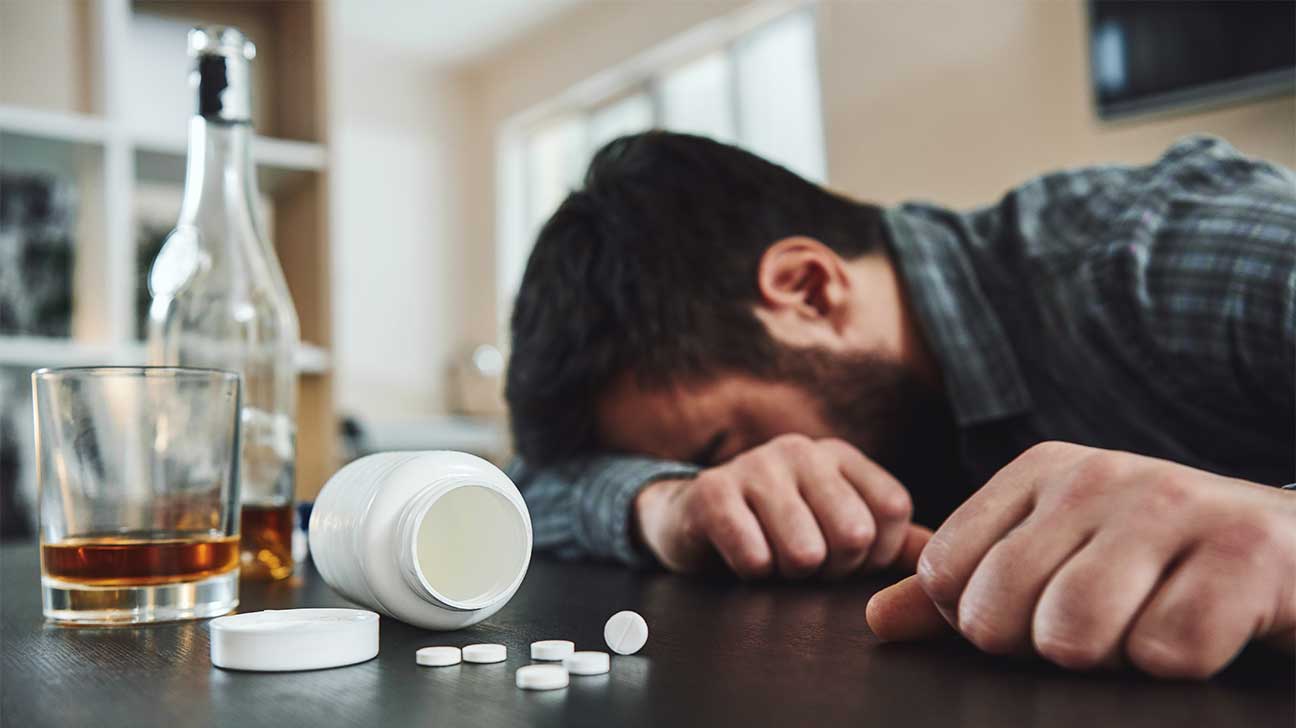
Dr.Tulika
Do you know basically drugs or alcohol are consumed to feel the kick, and the high that they give by the sudden stimulation of different areas of brain.
Read More
Practical relationship breakup help from a psychiatrist doctor to manage emotional distress, understand breakup causes, and support long-term emotional healing.
Read More
Early signs of depression, when to seek help, and effective depression treatment options to improve mental health and wellbeing.
Read More
Dr Tulika Shukla
Learn how modern dating challenges like situationships, ghosting, and breadcrumbing affect mental health, self esteem, and emotional balance and find ways to protect your well being.
Read More
Dr. Tulika
Understand the two types of ADHD Inattentive and Hyperactive Impulsive. Learn their key symptoms, how they affect daily life, and why consulting a qualified psychiatrist is important for proper ADHD treatment.
Read More
Tulika Shukla
Your gut and brain are connected. Explore how diet, lifestyle, and psychiatry come together to improve mental well-being.
Read More
Tulika Shukla
Explore practical mental health tips and professional psychiatric services in Dubai and UAE. Dr. Tulika Shukla helps you navigate stress, anxiety, and family well-being.
Read More
Dr Tulika
Midlife crisis generally occurs at the middle of a life span of a normal individual. In the earlier years, when a person is young, he/she has certain dreams, certain aspirations, certain expectations from life, and their own vision about how their lives s
Read More
Dr Tulika
Discover compassionate, expert treatment for eating disorders in adults and elders in Dubai. Dr. Tulika Shukla offers personalized psychiatric care to support recovery and wellbeing.
Read More
Dr Tulika Shukla
Regret is a powerful emotion. It’s the sinking feeling that comes when we reflect on what could have been—if only we had made a different choice, spoken up, or acted sooner.
Read More
Dr Tulika
Discover Strategies to Stay Calm and Empathetic in Challenging Conversations. Explore our article for valuable insights.
Read More
Dr Tulika
It's not uncommon for medical and behavioral health conditions to present with overlapping symptoms, leading to potential misdiagnoses. While some cases might only result in minor confusion, others—such as avoidant personality disorder and social anxiety
Read More
Dr Tulika
Feeling too shy to meet people? You’re not alone. Discover how shyness affects social life and learn simple ways to overcome it with Dr. Tulika
Read More
Dr Tulika Shukla
Learn how to distinguish between these two powerful forces with practical tips, science-backed insights, and actionable advice. Discover the difference today!
Read More
Dr Tulika Shukla
Behind Dubai’s glamor, many young people quietly battle social anxiety. Learn how psychiatric support and therapy are changing lives.
Read More
Dr Tulika
Discover practical strategies to manage anxiety and get a good night's sleep. Learn about relaxation techniques, mindfulness, and creating a sleep-friendly environment.
Read More
Dr Tulika
Being single for an extended period is often viewed through a dichotomous lens—either as a liberating state of independence or as a breeding ground for loneliness. However, the psychological effects of prolonged singlehood are nuanced, varying significant
Read More
Dr Tulika
Growing older doesn't mean losing your memory. Learn easy ways to keep your mind healthy
Read More
Dr Tulika Shukla
Ramadan is a time of reflection and spiritual growth, but it can also bring stress and anxiety. Learn practical tips to manage emotions, improve well-being, and embrace the true essence of Ramadan.
Read More
Dr Tulika Shukla
Discover the essential qualities to look for in a life partner. Build a strong, lasting relationship with shared values, trust, and emotional connection.
Read More
Dr Tulika
Brain fog is a term used to describe a state of cognitive dysfunction characterized by confusion, difficulty concentrating, memory problems, and a feeling of mental cloudiness.
Read More
Dr.Tulika
Autism is a collection of illnesses characterised by difficulty with social skills, repetitive behaviours, speech, and nonverbal communication.
Read More
Dr.Tulika
There is some evidence to suggest that Ramadan can have a positive impact on mental health. One study found that fasting during Ramadan improved mental well-being and increased self-esteem and self-control in Muslim students. Another study found that Rama
Read More
Dr.Tulika
Depression is an affective disorder that results in episodes of feeling miserable, despondent, and blank.
Read More
Dr.Tulika
Self-harm, also known as no suicidal self-injury, is a way used by some people to deal with psychological pain or discomfort that may not always be a suicide attempt.
Read More
Dr.Tulika
Mental health and mental illness are two topics that are frequently misconstrued. It's critical to know the facts as the society becomes more conscious of mental conditions and how they impact people
Read More
Dr.Tulika
Developmental disabilities are the developmental disorders that affect the mental and physical growth of children.
Read More
Dr.Tulika
Mental health is the emotional and psychological well-being of an individual. It is important to take care of one's mental health in order to lead a happy and healthy life. Mental health can be improved through regular exercise, healthy eating, and engagi
Read More
Dr. Tulika
As Ramadan approaches, many Muslims around the world are preparing for a month of fasting, prayer, and reflection. While the spiritual benefits of Ramadan are well-known, it's important to also consider the mental and psychological impact of fasting.
Read More
Dr. Tulika
As individuals, we have a natural inclination to try and comprehend the world around us. We often play the role of "armchair psychologists," attempting to devise our own reasonable explanations for human behavior.
Read More
Dr Tulika
Living with a person with Borderline Personality Disorder (BPD) can be challenging. The emotional instability, intense mood swings, and fear of abandonment characteristic of BPD can lead to unpredictable and turbulent dynamics within relationships.
Read More
Dr Tulika
The pressure to constantly be productive, achieve more, and never take a break can be overwhelming, particularly for people struggling with mental health issues like burnout, anxiety, or depression.
Read More
Dr. Tulika
Beyond the fidgeting and forgetfulness, discover the hidden struggles of ADHD, from emotional rollercoasters to having trouble with time
Read More
Dr. Tulika
Loneliness can affect anyone, even social butterflies. The longer we feel lonely, the more we are at risk of mental health problems.
Read More
Dr. Tulika
Imagine having a supportive partner by your side, helping you power through tasks and achieve your goals.
Read More
Dr Tulika
Feeling stuck on the couch, lost in social media? Or dragging yourself through each day, wondering if it's laziness or something deeper?
Read More
Dr Tulika Shukla
Explore perspectives on neediness, its impact on relationships, and find ways to foster healthier connections.
Read More
Dr.Tulika
Are you going through a rough patch in your relationship? Have disagreements, arguments, and frustrations become a norm with you and your partner?
Read More
Dr.Tulika
Stress is basically our body’s reaction to a challenge or circumstance which creates physical, mental and emotional tension in our body.
Read More
Dr.Tulika
Digital detoxification is a process of taking a break from technology and digital devices, such as smartphones, tablets, laptops, and computers. It is an attempt to reduce stress, improve mental health, and create a better work-life balance. Digital detox
Read MoreMost panic attacks peak within 10 minutes and begin to fade within 20 to 30 minutes, though you may feel tired or drained afterward.
While physical symptoms like chest tightness feel scary, panic attacks are not life-threatening. A professional check-up ensures accurate diagnosis and peace of mind.
They can be triggered by hidden stress, fatigue, physical sensitivity, or underlying anxiety, even if you don't feel consciously stressed at that moment.
Yes. With the right combination of therapy, practical tools, lifestyle adjustments, and medical guidance when needed, most people overcome panic attacks completely.
You should seek support if panic attacks happen repeatedly, cause ongoing dread, or stop you from enjoying everyday activities.
Dr. Tulika offers comprehensive care using cognitive behavioral techniques, breathing and grounding guidance, lifestyle modifications, and medication when appropriate.