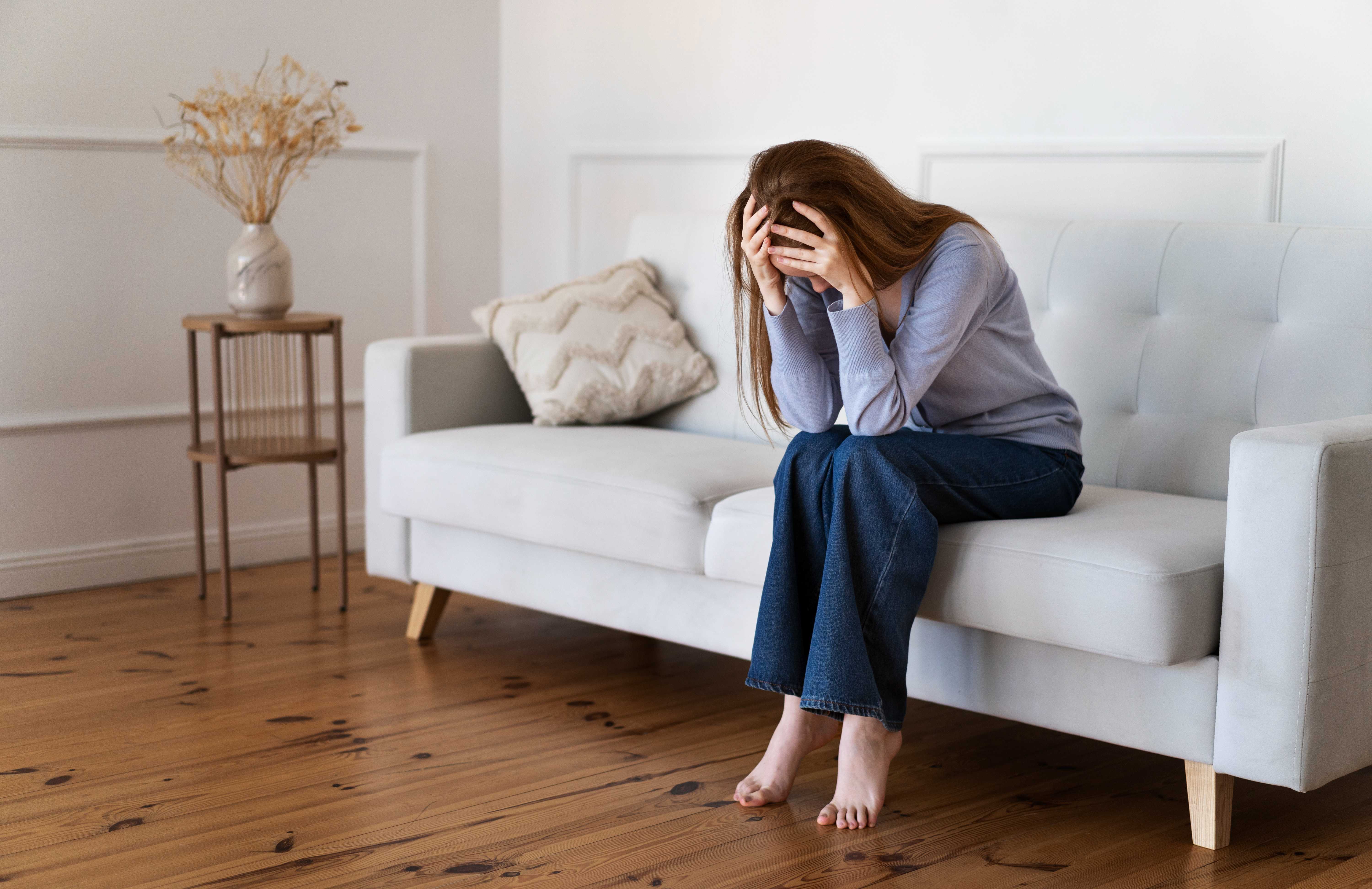
Depression is a form of severe mood disorder that causes a persistent feeling of sadness, melancholy, loss of interest in previously enjoyable activities and a feeling of worthlessness. Depression can affect people from all walks of life, any cultural, socio-economic or ethnic background, any age or sex. Unfortunately, depression is still a social taboo and is looked at as a sign of mental weakness, which it absolutely isn’t. It is a mood disorder that results from an imbalance in neurotransmitters in the brain, and it isn’t something one can ‘snap out’ of without proper psychiatric help, often requiring professional support similar to anxiety disorder treatment.
Enquire Now
How Depression Affects Daily Life
Depression can significantly impact a person’s daily life, influencing their ability to work, maintain relationships, and perform routine activities. Individuals may struggle with low motivation, lack of focus, and constant fatigue, making even simple tasks feel overwhelming. Social withdrawal and reduced interaction with family or friends are also common. Over time, this can lead to decreased productivity and a sense of isolation. With the right support and consistent care, individuals can move towards depression recovery and gradually improve their overall well-being.
What are the symptoms of depression?
The symptoms of depression are any or most of the following, and they are present every day, or almost every day for long period extending between weeks to months to qualify as clinical depression.
Contamination or dirt
Persistent feelings of sadness, worthlessness, hopelessness and lack of self-worth
Sleep disturbances
Loss of appetite or binge eating
Loss of interest in daily pleasurable activities, loss of interest in sex
Problems with relationships
Social withdrawal
Difficulty in concentrating, difficulty in taking decisions
Irritability, agitation
Listlessness, tiredness, constant fatigue
Frequent / recurring thoughts of self-harm/death
There are subtle variations in the expression of depression in different age groups. Younger children may become irritable, socially withdrawn, refuse to go to school, and cry for no reason. Teenagers show agitation, disregard for manners, addiction to recreational drugs or internet, disturbed sleep cycle. In older adults it may manifest as memory disturbances, personality changes, or psychosomatic symptoms. Psychosomatic symptoms are the physical symptoms that the individual experiences as a result of the psychiatric disorder. These include fatigue, tiredness and pain in various body parts. Suicidal thoughts are also more common amongst the aged people.
What are the causes of depression?
Depression is the result of a complex interaction between, genetic, environmental and social factors.
Genetic factors are responsible to some extent because depression is known to run in families.
Female sex is more prone to developing depression.
Adversities in life such as work related stress, loss of employment, financial crisis, loss of a loved member resulting in bereavement, stress of strained relationships, divorce or separation, a chronic illness or illness of a family member that is difficult to cope with, etc are the environmental factors that can precipitate depression in predisposed individuals.
Amongst children, loss of a parent, broken family, bullying at school, or even cyberbullying can lead to depression.
The incidence of depression has increased in younger age group because of the demanding social media image that has to be kept up with under peer pressure.
Enquire Now
">
What is the treatment of depression?
Depending on the severity and pattern of the depressive episodes, the treatment plan is formulated by the psychiatric care provider. Treatment options for depression include:
Psychotherapy
Which is basically a form of counselling. Cognitive behaviour therapy can be beneficial to those with milder forms of depression.
Anti-depressant medications
These are basically the drugs that increase the levels of the happy hormone ‘Serotonin’ in the brain.
Electroconvulsive therapy (ECT)
Shock treatment is reserved for the severe and refractory forms of depression.
Understanding Depression
Depression, or Major Depressive Disorder (MDD), is a mood disorder characterized by persistent feelings of sadness, hopelessness, and a lack of interest or pleasure in daily activities. It can affect anyone, regardless of age, gender, or background. Common symptoms include:
Persistent low mood or sadness
Loss of interest in previously enjoyed activities
Fatigue or low energy
Changes in appetite or weight
Sleep disturbances (insomnia or excessive sleeping)
Difficulty concentrating or making decisions
Feelings of worthlessness or guilt
Thoughts of death or suicide
Common Issues We Address
Major Depressive Disorder (MDD): Persistent and intense feelings of sadness that interfere with daily functioning.
Persistent Depressive Disorder (Dysthymia): Chronic low mood lasting for at least two years.
Bipolar Disorder: Characterized by alternating periods of depression and mania or hypomania.
Seasonal Affective Disorder (SAD): Depression occurring at certain times of the year, typically during the winter months.
Postpartum Depression: Depression occurring after childbirth, affecting mothers' emotional and physical well-being.
Managing Depression Tips
Maintain a consistent daily routine to create stability and purpose.
Engage in regular physical activity to boost mood and energy levels.
Prioritize adequate sleep and healthy eating habits.
Set small, achievable goals and acknowledge your progress.
Practice relaxation techniques such as meditation or deep breathing.
Reach out to trusted friends, family, or a support group for emotional connection.
Supporting the Depressed
Listen with empathy and without judgment to help them feel understood.
Encourage them to seek professional help such as therapy or counseling.
Offer practical support—like assisting with daily tasks or appointments.
Be patient; recovery takes time and consistent encouragement.
Check in regularly and remind them they’re not alone in their journey.
Avoid minimizing their feelings—show compassion and reassurance instead.
Early signs include persistent sadness, lack of interest in daily activities, low energy, sleep disturbances, and difficulty concentrating. These symptoms may indicate the presence of an underlying mood disorder affecting emotional stability.
Depression can be caused by genetic factors, stressful life events, trauma, or ongoing emotional strain. In many individuals, low self-esteem and negative thought patterns can increase vulnerability to depression. Identifying these contributing factors early can support more effective and personalized treatment.
Depression is diagnosed by a mental health professional through clinical assessment, symptom evaluation, and understanding behavioral patterns to determine the severity and type of condition. This process ensures that the treatment plan is tailored to the individual’s specific mental health needs.
Effective treatment includes psychotherapy (such as CBT), medications, and lifestyle changes. In some cases, evaluation is important to differentiate from conditions like bipolar disorder, which may require a different treatment approach. A consistent and guided treatment plan improves long-term outcomes and overall well-being.
You should seek help if symptoms last more than two weeks, worsen over time, or interfere with daily life. Early intervention improves recovery and prevents complications. Seeking professional guidance at the right time can make a significant difference in managing symptoms effectively.
Taking a moment to seek support can help you regain perspective
and create a healthier, more balanced way of living.
When life gets messy, Reaching out for help is brave

.png)
.png)
.png)